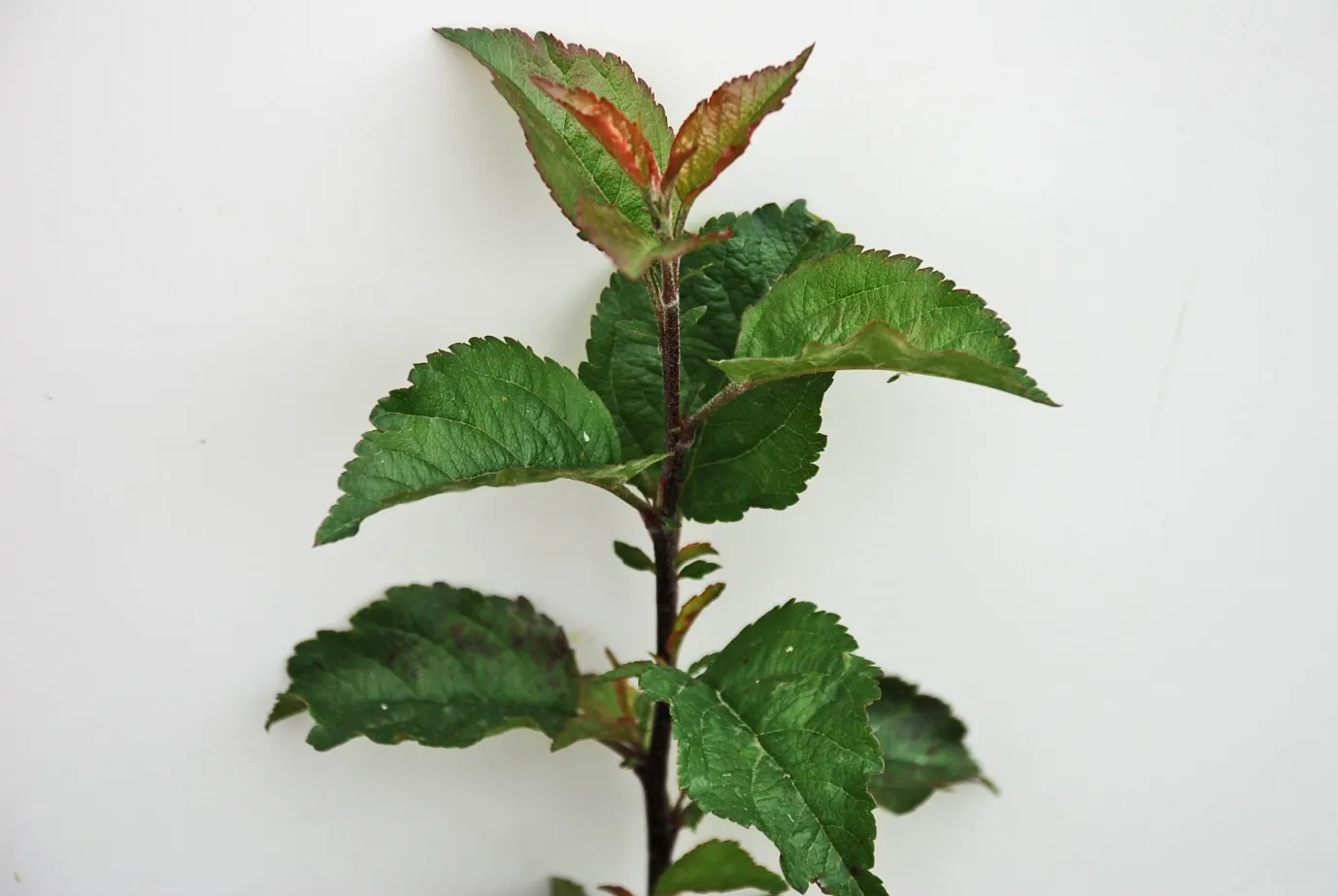
Malus Sylvestris (Crab Apple)
This small native tree is found to naturally occur around woodland edges, river banks and hedgerows. Most commonly known for their fruit, the crab apple which nowadays are mostly used to make crab apple jelly due to their bitter flavour. The leaves are an oval shape with a rounded toothed edge and a glossy green colour. In the spring, the tree is covered with delicate white flowers, which are often tinged with a hint of pink. When pollinated, these flowers turn into crab apples. Overall, a fairly vigorous tree which is ideal for wildlife who feed on its fruits as well as for bees as its early flowers provide an early source of nectar.
Fruit: The apples are a glossy yellow-green and become speckled or flushed in the autumn. The fruit is sour but can be made into crab apple jelly.
Timber: The timber is hard and tough and is used for ornamental carvings and mallet handles.
Soil Types/Habitat: Will tolerate a wide variety of soil types.
Based on order size of 50 plants or less : £0.77 each
Based on order size of 50 plants plus : £0.53 each
You can use the quantity arrows below to increase or decrease the amount needed.
*All prices shown are exclusive of VAT. Delivery is included in the price.
| from 10 pcs. | from 50 pcs. |
|---|---|
Price Calculator:
£0.77
Out of stock
- See below for more details regarding availability, ordering quantities and delivery costs.
Sustainably Grown, Nationally Known
Availability
All plants supplied are bare root, available to purchase from November to April.
All accessories such as canes and wraps/tubes are available to purchase throughout the year.
Minimum Order
Minimum order quantity is in multiples of 10’s.
Minimum order value of £15 + VAT.
Delivery
Delivery costs are included in the prices shown above.
VAT
Prices shown are exclusive of VAT, the VAT will be calculated at checkout.
Plant Healthy
Buy with confidence knowing that all plants purchased from TreesPlease are certified Plant Healthy. TreesPlease take the threat of pests and diseases very seriously and work hard to make sure our biosecurity protocols are secure enough to minimum this risk to the wider environment. Learn more about Plant Healthy here.